Occupation: Digital Health Consultant and Lecturer in Digital Economy & Society
Company: Dr. Digital Health
Location: London
About business: Dr. Digital Health advises both the public and private sectors with evidence-based research for individuals, employees and business strategy on the influences of technology on mental and physical health in everyday professional and personal life.
About expert: Dr. Rachael Kent is a world-leading researcher, author, digital health consultant and Lecturer in Digital Economy and Society, in the Department of Digital Humanities at King's College London.
1. What's the biggest benefit of online learning vs a traditional classroom setting?
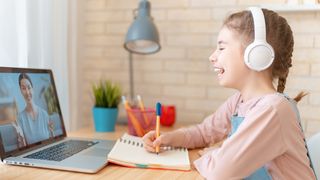
If you have the camera off, you can focus on the content without being distracted or anxious about having to interact or present yourself to others. This can help students, particularly those who lack confidence around their peers or struggle with expressing themselves in person. Screens provide a protective shield of safety for some.
2. Should schools and the government pilot a hybrid / remote learning model to allow children to be homeschooled?
Yes. A pilot hybrid online and in-person model of delivering teaching could be a really useful and safe option for those suffering mental or physical health issues, creating a safe space to learn and engage with their learning and education.
3. How do you think remote schooling could work best / be managed?
Ethical and practical parameters and boundaries must be identified. For example, screens off for students unwilling or unable to show their home due to socio-economic differences, and emails between students and teachers between set school hours.
4. How do you think digital learning will change the future of education?
Flexible pedagogy, and enabling greater access and availability of more courses to more diverse audiences and students.
5. How can the government help improve digital learning?
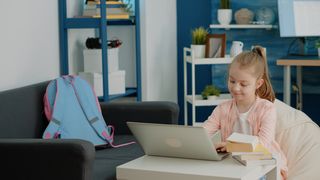
Funding is needed to ensure all students have the basics needed for home learning. This includes a desk, stationary and laptops or tablets.
6. What advice would you give to your younger self while at school?
Enjoy the process of learning. There will be things you learn which you don't think will be useful in everyday life as an adult, but you do use in the end.
7. What was your biggest struggle in school, and how did you overcome it?
Lack of confidence and self-belief, which has always pushed me to work harder and to become a life-long learner and researcher!